
 영어
영어
 독일 사람
독일 사람
 일본어
일본어
 포르투갈 인
 멕시코
멕시코
 네덜란드 사람
TLV9352
The TLV9352 is a dual, low-power operational amplifier manufactured by Texas Instruments, designed for high-performance analog signal conditioning in space-constrained and power-sensitive applications. It features a wide supply voltage range from 1.8 V to 5.5 V, enabling compatibility with both single-supply and dual-supply systems. The device operates with a typical quiescent current of just 450 µA per amplifier, making it ideal for battery-powered and portable electronics where energy efficiency is critical.
Each amplifier in the TLV9352 offers a gain-bandwidth product of 1.7 MHz, ensuring stable performance across a broad frequency range while maintaining low distortion. The input common-mode voltage range extends from ground to within 10 mV of the positive supply rail, allowing full-scale signal handling without the need for additional level-shifting circuitry. This feature is particularly useful in sensor interface circuits where signals may span the entire supply range.
The TLV9352 includes internal ESD protection, short-circuit protection, and thermal shutdown mechanisms, enhancing reliability in harsh environments. Its rail-to-rail output swing ensures maximum dynamic range and minimizes signal loss, especially in low-voltage systems. Additionally, the device supports a high slew rate of 1.3 V/µs, enabling fast response times for transient signals—critical in real-time control and data acquisition systems.
Designed for ease of use, the TLV9352 requires no external compensation and is stable in all standard configurations, including non-inverting, inverting, and differential amplification. It is available in compact packages such as the SOIC-8 and TSSOP-8, facilitating integration into dense PCB layouts. The part is also qualified for operation over an extended temperature range from -40°C to +125°C, making it suitable for industrial, automotive, and medical applications.
Applications include sensor signal conditioning (e.g., thermocouples, strain gauges), battery monitoring, active filtering, and low-power instrumentation. Its robust design and efficient performance make it well-suited for IoT devices, wearable technology, and embedded systems requiring precision analog processing with minimal power consumption.
Related Parts
| 부분 # | 제조업체 | 설명 | 유효성 | 가격 | 수량 |
|---|---|---|---|---|---|
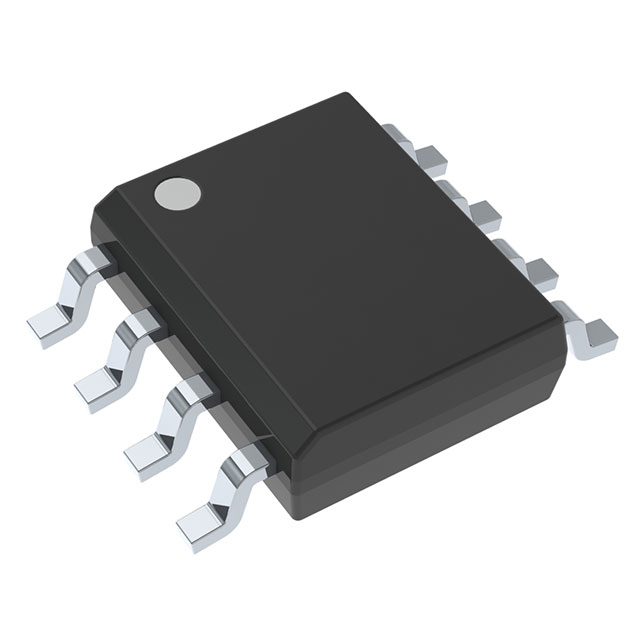 TLV9352IDROP Amps, Buffer Amps ICs | Texas Instruments | 40-V, dual 3.5MHz, RRO, MUX-friendly operational amplifier for cost-sensitive systems 8-SOIC -40 to 125 | 465 | 1+: $0.34660 10+: $0.27750 30+: $0.24780
더 보기 | |
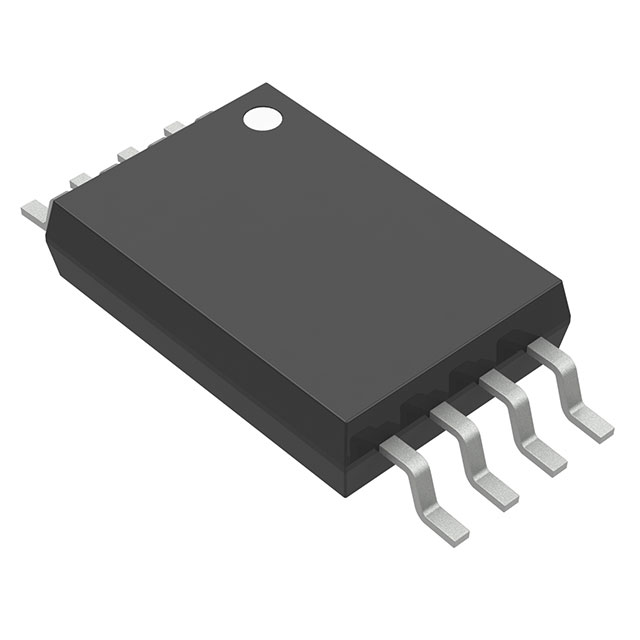 TLV9352IPWROP Amps, Buffer Amps ICs | Texas Instruments | 40-V, dual 3.5MHz, RRO, MUX-friendly operational amplifier for cost-sensitive systems 8-TSSOP -40 to 125 | 2273 | 1+: $0.38440 10+: $0.29900 30+: $0.26280
더 보기 | |
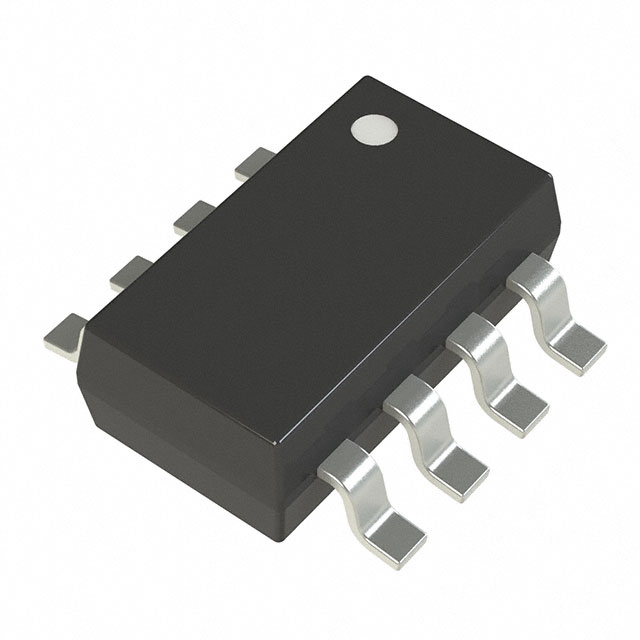 TLV9352IDDFROP Amps, Buffer Amps ICs | Texas Instruments | 40-V, dual 3.5MHz, RRO, MUX-friendly operational amplifier for cost-sensitive systems 8-SOT-23-THIN -40 to 125 | 235 | 1+: $1.04150 10+: $0.92160 30+: $0.80830
더 보기 | |
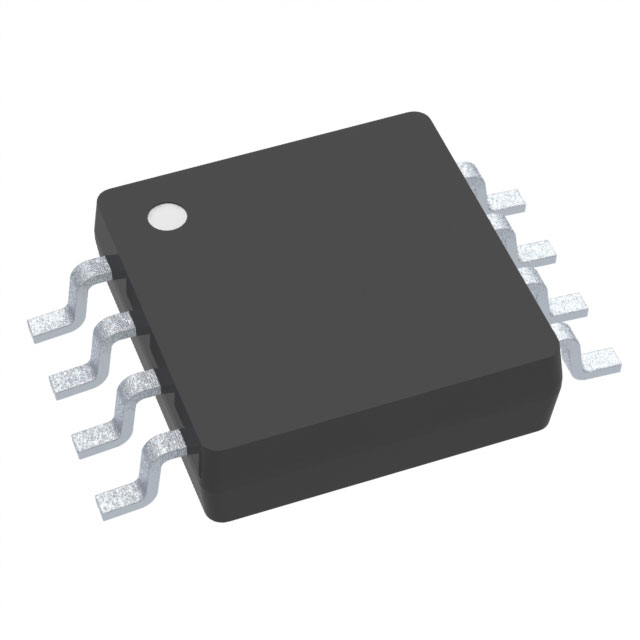 TLV9352IDGKROP Amps, Buffer Amps ICs | Texas Instruments | IC OPAMP | 599 | - |





.png?x-oss-process=image/format,webp/resize,h_32)


