
 영어
영어
 독일 사람
독일 사람
 일본어
일본어
 포르투갈 인
 멕시코
멕시코
 네덜란드 사람
TLV9152
The TLV9152 is a dual low-power operational amplifier manufactured by Texas Instruments, designed for high performance in space-constrained and power-sensitive applications. It features a wide supply voltage range from 1.8 V to 5.5 V, enabling compatibility with both single-cell battery systems and standard 3.3 V or 5 V logic supplies. The device offers a typical input offset voltage of 1.5 mV and a very low quiescent current of just 100 µA per amplifier, making it ideal for portable and battery-powered systems where efficiency is critical.
With a gain-bandwidth product of 4 MHz and a slew rate of 1.6 V/µs, the TLV9152 delivers stable and responsive analog signal processing across a broad frequency range. Its rail-to-rail input and output architecture allows maximum signal swing within the supply rails, enhancing dynamic range and reducing the need for additional signal conditioning stages. The amplifiers are unity-gain stable, ensuring reliable operation in inverting and non-inverting configurations without external compensation components.
The TLV9152 is optimized for low noise performance, with an input voltage noise density of 12 nV/√Hz at 1 kHz, which makes it suitable for precision sensing and measurement applications such as sensor signal conditioning, filter circuits, and small signal amplification. The package is available in a compact 8-pin SOIC form factor, facilitating integration into dense printed circuit boards while maintaining excellent thermal performance.
This device is widely used in industrial automation, consumer electronics, medical instrumentation, and automotive systems—especially in applications requiring low power consumption, high accuracy, and robustness against electromagnetic interference. Examples include temperature sensors, pressure transducers, and battery monitoring circuits where minimal power draw and high linearity are essential. The TLV9152 also supports easy integration into mixed-signal designs due to its compatibility with digital ICs operating at 3.3 V or 5 V logic levels.
Related Parts
| 부분 # | 제조업체 | 설명 | 유효성 | 가격 | 수량 |
|---|---|---|---|---|---|
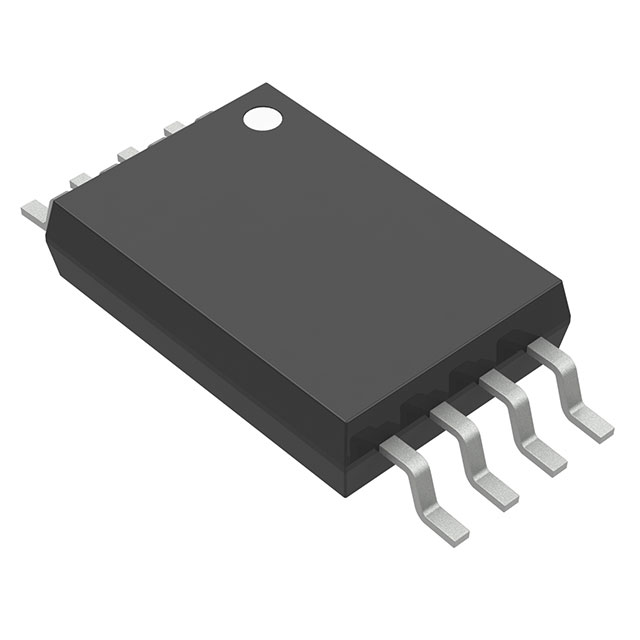 TLV9152IPWROP Amps, Buffer Amps ICs | Texas Instruments | IC OPAMP GP 2 CIRCUIT 8TSSOP | 재고 | - | |
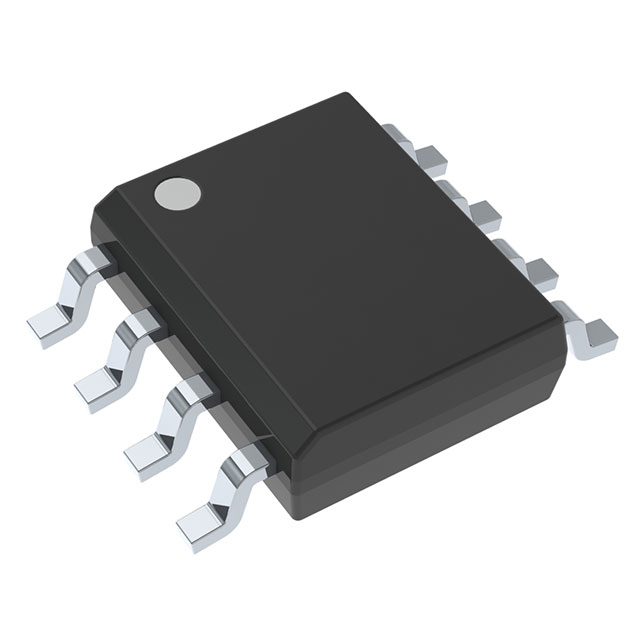 TLV9152IDROP Amps, Buffer Amps ICs | Texas Instruments | Dual Op Amp, 4.5MHz, 20V, 8-SOIC, Automotive | 2372 | 1+: $0.46160 2500+: $0.44360 | |
 TLV9152IDDFROP Amps, Buffer Amps ICs | Texas Instruments | IC OPAMP GP 2 CIRCUIT TSOT23-8 | 100 | 1+: $1.03500 10+: $0.91500 30+: $0.80170
더 보기 | |
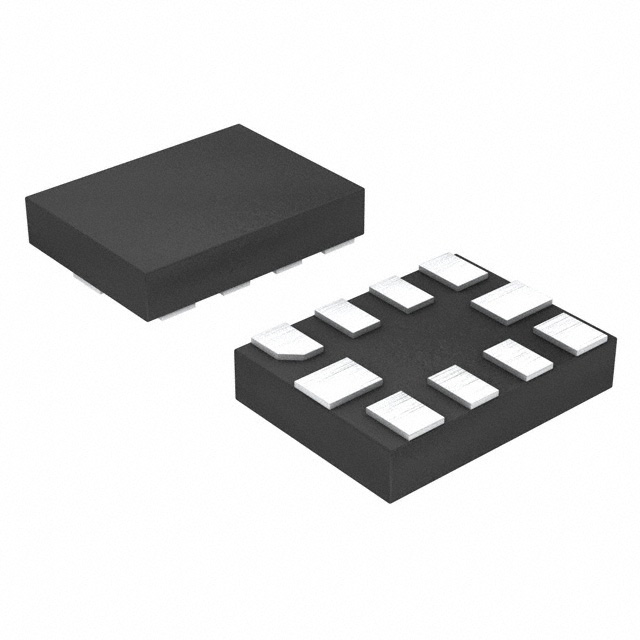 TLV9152SIRUGROP Amps, Buffer Amps ICs | Texas Instruments | IC OPAMP GP 2 CIRCUIT 10X2QFN | 36 | 1+: $3.19690 10+: $2.82890 30+: $2.64160 | |
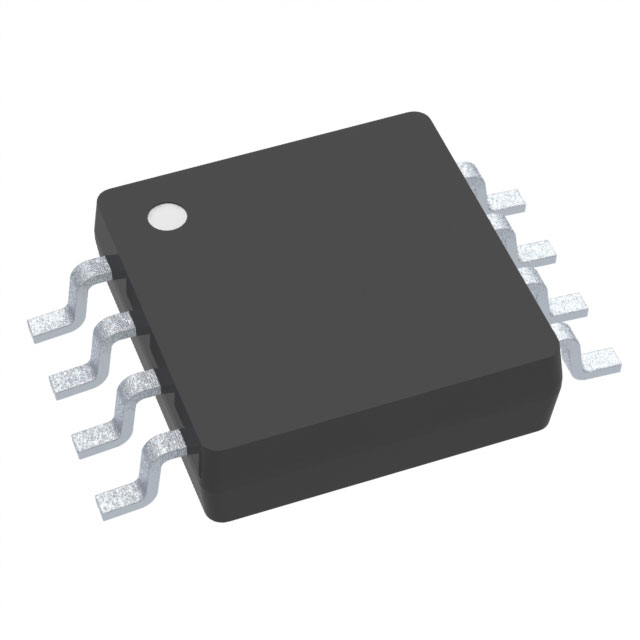 TLV9152IDGKROP Amps, Buffer Amps ICs | Texas Instruments | IC OPAMP | 331 | 1+: $1.16970 10+: $0.96270 30+: $0.85920
더 보기 | |
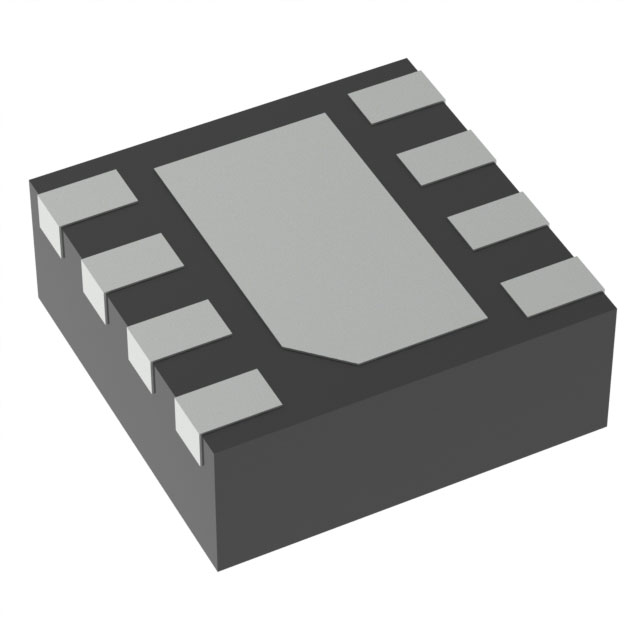 TLV9152IDSGROP Amps, Buffer Amps ICs | Texas Instruments | Dual 4.5MHz Op Amp, 20V, 8-WSON, Automotive | 재고 | - |





.png?x-oss-process=image/format,webp/resize,h_32)


