
 영어
영어
 독일 사람
독일 사람
 일본어
일본어
 포르투갈 인
 멕시코
멕시코
 네덜란드 사람
MAX3232E-Q1
The MAX3232E-Q1 is a low-power, RS-232 transceiver designed for industrial and automotive applications, manufactured by Texas Instruments. It features a single supply voltage of 3.0 V to 5.5 V, enabling compatibility with a wide range of power systems. The device includes integrated charge pumps that generate the necessary ±10 V output levels from a single supply, eliminating the need for external capacitors in many configurations—simplifying board design and reducing component count.
This transceiver supports data rates up to 250 kbps, making it suitable for high-speed serial communication in embedded systems and industrial control equipment. It operates reliably across a temperature range of -40°C to +125°C, ensuring robust performance in harsh environments such as automotive, factory automation, and medical devices. The MAX3232E-Q1 is qualified to AEC-Q100 Grade 1 standards, confirming its suitability for automotive-grade applications requiring long-term reliability and durability.
The chip integrates two drivers and two receivers, allowing simultaneous transmission and reception of data over RS-232 lines. Its low quiescent current—typically 100 μA in active mode and less than 1 μA in shutdown—makes it ideal for battery-powered or energy-sensitive systems. Additionally, the internal circuitry provides protection against electrostatic discharge (ESD) up to ±15 kV per HBM, enhancing resilience in noisy electrical environments.
Designed for ease of use, the MAX3232E-Q1 requires only four external capacitors for full functionality, significantly reducing design complexity compared to traditional RS-232 solutions. It is compatible with standard TTL/CMOS logic levels, simplifying integration with microcontrollers, FPGAs, and other digital components. The package is available in a compact 16-pin TSSOP form factor, optimizing space usage in densely populated PCBs.
Common applications include industrial instrumentation, telematics, point-of-sale terminals, GPS modules, and vehicle diagnostics systems. Its combination of low power, high noise immunity, and automotive qualification makes it a preferred choice for engineers seeking reliable, cost-effective serial communication in demanding environments.
Related Parts
| 부분 # | 제조업체 | 설명 | 유효성 | 가격 | 수량 |
|---|---|---|---|---|---|
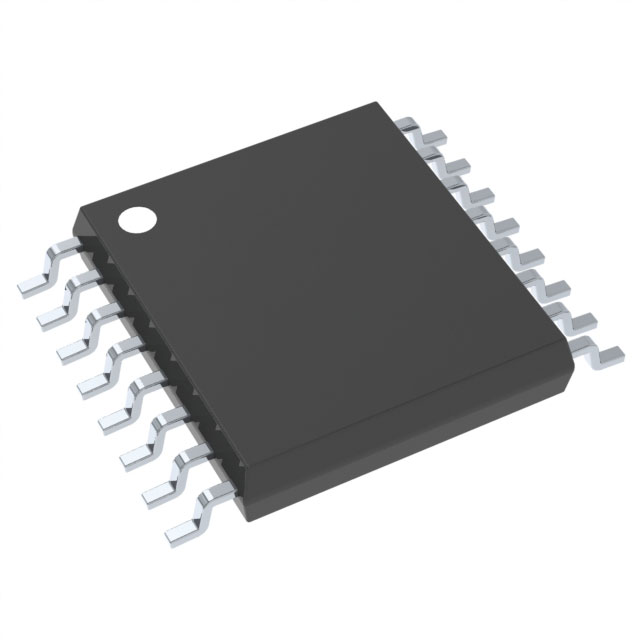 MAX3232EIPWRQ1Drivers, Receivers, Transceivers | Texas Instruments | RS-232 Transceiver, 250Kbps, 3-5.5V, 2 Tx/2 Rx, 16-TSSOP | 1 | 1+: $0.93970 2000+: $0.90850 |




.png?x-oss-process=image/format,webp/resize,h_32)


