
 영어
영어
 독일 사람
독일 사람
 일본어
일본어
 포르투갈 인
 멕시코
멕시코
 네덜란드 사람
NCS2333
The NCS2333 is a high-performance, low-dropout (LDO) voltage regulator manufactured by onsemi, designed for applications requiring stable and efficient power management. It delivers a fixed output voltage of 3.3V with a maximum output current of 150mA, making it suitable for powering sensitive analog and digital circuits in portable and battery-operated devices. The device features a low quiescent current of typically 80µA, which enhances energy efficiency—particularly beneficial in systems where prolonged battery life is critical.
This LDO regulator includes built-in protection mechanisms such as thermal shutdown and over-current protection, ensuring reliable operation under adverse conditions. Its wide input voltage range from 4.5V to 15V allows compatibility with various power sources, including standard batteries and industrial power supplies. Additionally, the NCS2333 offers excellent line and load regulation, maintaining a stable output voltage even when input or load conditions vary significantly.
The NCS2333 is packaged in a compact SOT-23-5 surface-mount package, which supports easy integration into space-constrained designs. It also provides fast transient response, minimizing voltage deviations during sudden load changes—an essential feature for microcontroller-based systems and communication modules. The device operates reliably across a temperature range from -40°C to +125°C, enabling use in harsh environments such as automotive, industrial, and medical applications.
Designed for simplicity and robustness, the NCS2333 requires minimal external components—just two small capacitors for stability—and does not need an enable pin, simplifying circuit design. Its low dropout voltage of just 0.3V at full load ensures efficient power delivery even when input voltage approaches the output level, maximizing battery utilization. This makes the NCS2333 ideal for use in sensor nodes, IoT devices, wearable electronics, and embedded systems where power efficiency, reliability, and small footprint are key design priorities.
Related Parts
| 부분 # | 제조업체 | 설명 | 유효성 | 가격 | 수량 |
|---|---|---|---|---|---|
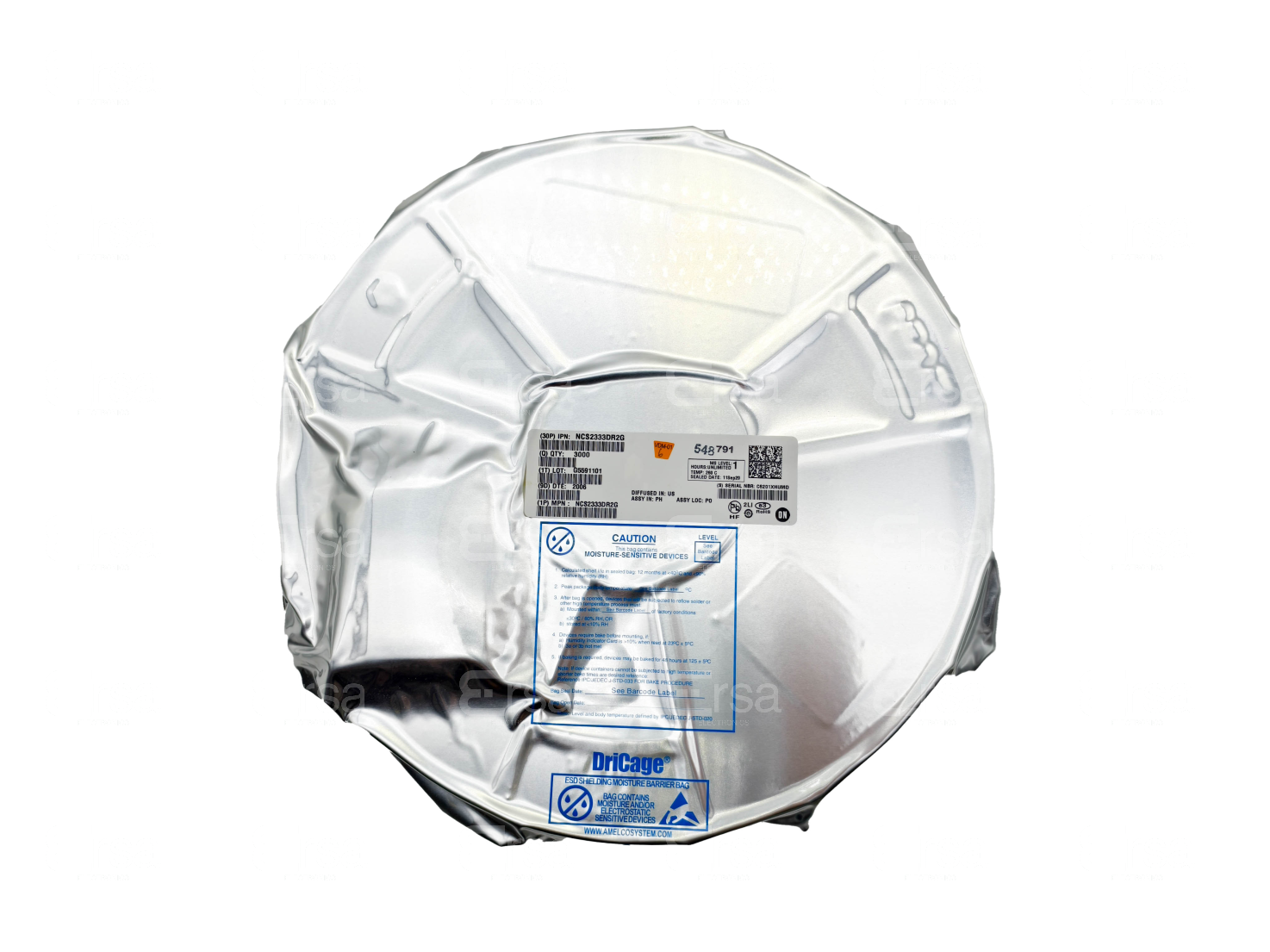 NCS2333DR2GOP Amps, Buffer Amps ICs | onsemi | Dual Op Amp, Low Power, Zero-Drift, 30µV Offset, 270kHz BW | 11055 | - | |
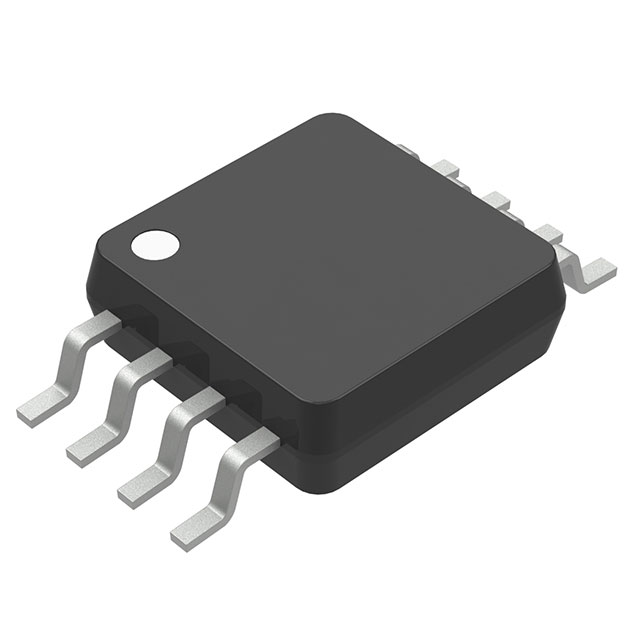 NCS2333DMR2GOP Amps, Buffer Amps ICs | onsemi | Dual Op Amp, Zero-Drift, 30µV Offset, 270kHz BW, 3.3V | 19821 | - | |
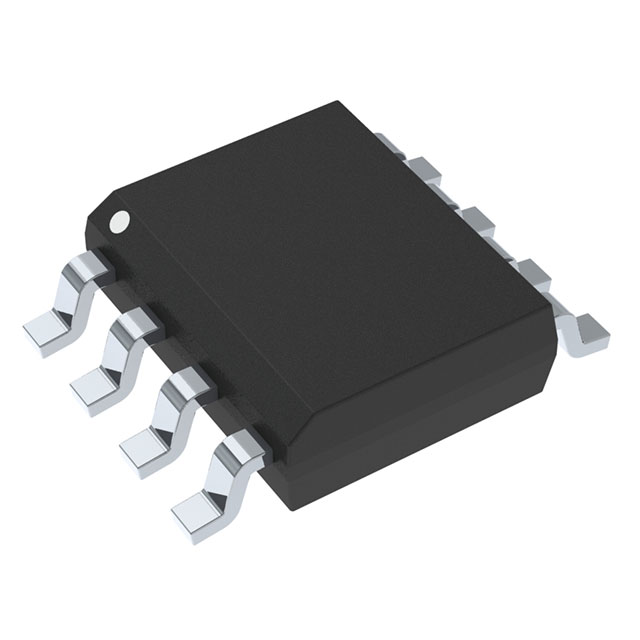 NCV2333DR2GOP Amps, Buffer Amps ICs | onsemi | Dual Op Amp, Low Power, Zero-Drift, 20uV Offset, 255kHz BW | 2519 | - | |
NCV2333DMR2GOP Amps, Buffer Amps ICs | onsemi | Zero-Drift Op Amp, 30µV Offset, 2-Ch, 0.07mA, 3.3V, AEC-Q100 | 3 | 1+: $1.12200 10+: $1.09570 30+: $1.07930 | |
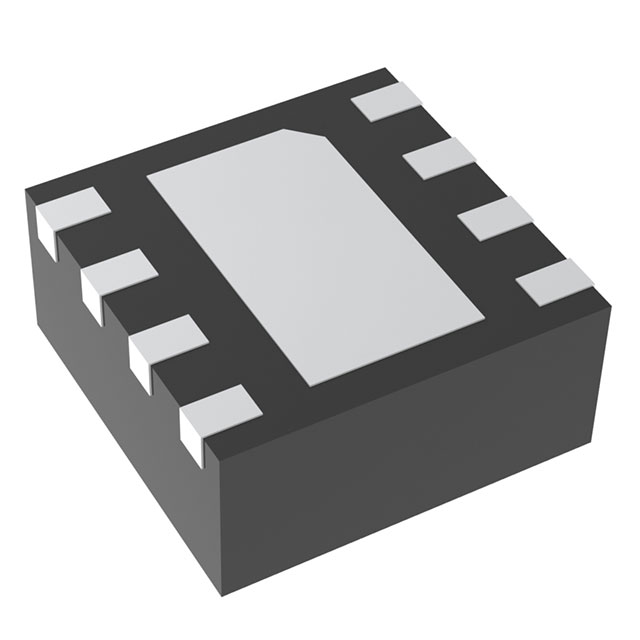 NCS2333MUTBGOP Amps, Buffer Amps ICs | onsemi | Dual Op Amp, 30µV Offset, 270kHz BW, 8-Pin S-PDSO-N8 | 16996 | - |





.png?x-oss-process=image/format,webp/resize,h_32)


