 영어
 독일 사람
 일본어
 포르투갈 인
 멕시코
 네덜란드 사람


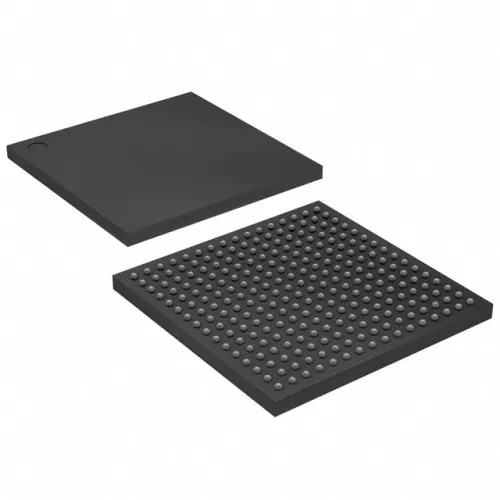
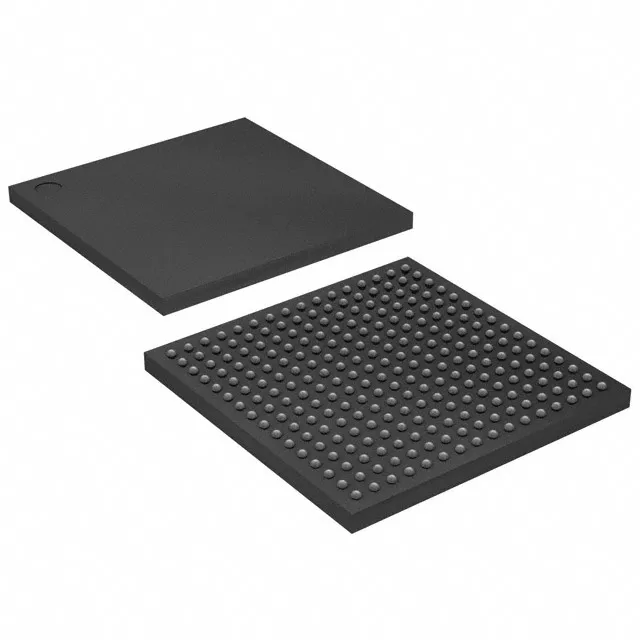
이미지는 참고용이며 제품 외관은 생산 배치에 따라 다를 수 있습니다. 정확한 사양은 제품 데이터시트를 확인해 주세요.




온라인으로 구매할 수 없나요? 더 낮은 도매가를 원하시나요? 최적의 가격을 얻으려면 RFQ를 보내주십시오. 즉시 응답해 드리겠습니다.
현재 가격과 납기를 확인하려면 견적을 요청하세요.

EP2C20F256C7N 설명
EP2C20F256C7N
Key operational attribute: 패키지/케이스 is verified at FBGA under manufacturer standard test conditions.
Key operational attribute: 빈도 is verified at 155.5MHz under manufacturer standard test conditions.
Key operational attribute: Lead Free is verified at Lead Free under manufacturer standard test conditions.
Key operational attribute: Max Frequency is verified at 260MHz under manufacturer standard test conditions.
Key operational attribute: Max Operating Temperature is verified at 85°C under manufacturer standard test conditions.
Key operational attribute: Min Operating Temperature is verified at 0°C under manufacturer standard test conditions.
Key operational attribute: Maximum Supply Voltage is verified at 1.25V under manufacturer standard test conditions.
Key operational attribute: 메모리 크기 is verified at 239616b under manufacturer standard test conditions.
Key operational attribute: Minimum Supply Voltage is verified at 1.15V under manufacturer standard test conditions.
The Intel EP2C20F256C7N is a field programmable gate array (FPGA) device that belongs to the Cyclone II family of products. This device is designed to offer high performance, low power consumption, and a wide range of features for a variety of applications.
Description:
The EP2C20F256C7N is a mid-range FPGA that provides a combination of high-density logic integration and high-speed performance. It is built on a 90-nanometer low-k interconnect CMOS process technology, which allows for a high level of integration and low power consumption. The device features a configurable architecture that can be customized to meet the specific requirements of different applications.
Features:
- High-performance logic elements: The EP2C20F256C7N offers a high-density of logic elements, which can be used to implement complex digital logic functions.
- Dedicated memory resources: The device includes dedicated memory resources, such as block RAM and distributed RAM, which can be used for data storage and processing.
- High-speed transceivers: The EP2C20F256C7N features high-speed transceivers that can support data rates up to 2.5 Gbps, making it suitable for high-speed communication applications.
- Embedded hard intellectual property (IP): The device includes embedded hard IP, such as digital signal processing (DSP) blocks and phase-locked loops (PLLs), which can be used to implement specialized functions.
- Low power consumption: The EP2C20F256C7N is designed to operate at low power levels, making it suitable for battery-powered and energy-efficient applications.
- Configurable I/O: The device offers a wide range of configurable I/O options, allowing it to interface with various peripherals and other devices.
Applications:
The Intel EP2C20F256C7N is a versatile FPGA that can be used in a wide range of applications, including:
- Communications: The high-speed transceivers and configurable I/O options make the EP2C20F256C7N suitable for communication applications, such as network infrastructure, wireless base stations, and optical transport networks.
- Industrial control: The device's high-performance logic elements and dedicated memory resources make it well-suited for industrial control applications, such as motor control, machine vision, and robotics.
- Automotive: The EP2C20F256C7N can be used in automotive applications, such as advanced driver assistance systems (ADAS), infotainment systems, and powertrain control.
- Consumer electronics: The low power consumption and configurable architecture of the device make it suitable for consumer electronics applications, such as set-top boxes, digital cameras, and smart home devices.
- Aerospace and defense: The EP2C20F256C7N can be used in aerospace and defense applications, such as radar systems, satellite communications, and electronic warfare systems.
In summary, the Intel EP2C20F256C7N is a high-performance, low-power FPGA that offers a wide range of features and applications. Its configurable architecture, dedicated memory resources, and high-speed transceivers make it suitable for a variety of applications, including communications, industrial control, automotive, consumer electronics, and aerospace and defense.